Ready for Your Dream Kitchen?
Bespoke kitchen design and installation in Dublin
Contact Aloco Kitchens Today!How a Bora Hob Actually Works
A Bora hob combines an induction or ceramic cooktop with an extractor built into the hob itself. Instead of waiting for steam and cooking smells to rise to a hood above your head, the fan draws them downwards at the cooking surface, where the air is filtered and then ducted out or recirculated. Cross-flows from open windows and doors matter far less, because the vapour never gets the chance to drift.
Pros and Cons for Irish Kitchens
The case for
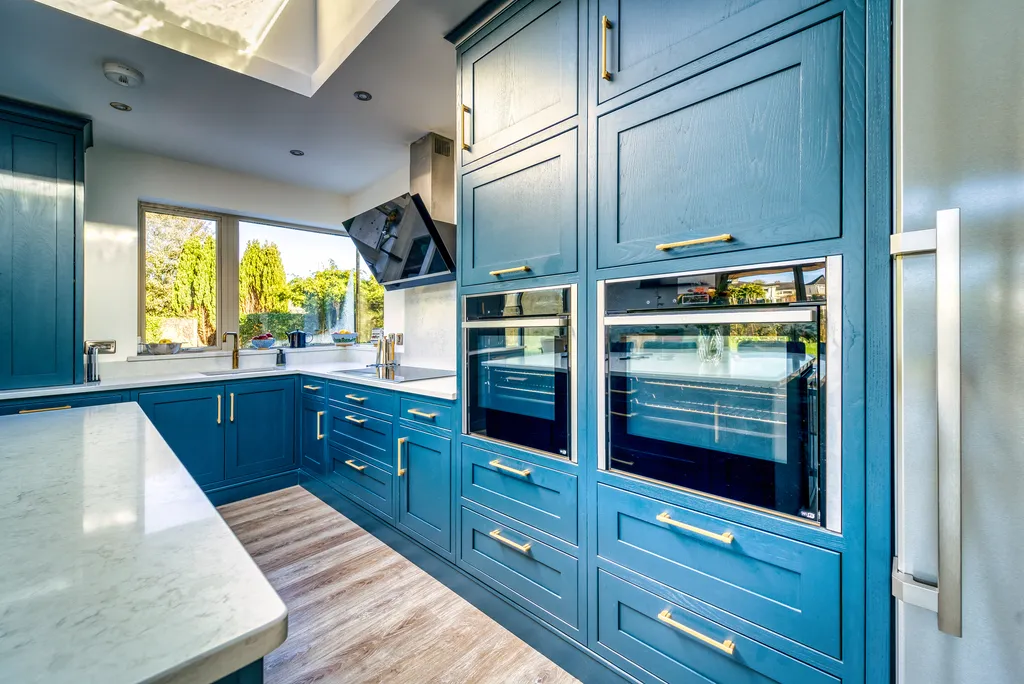
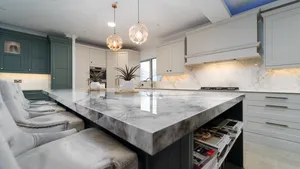
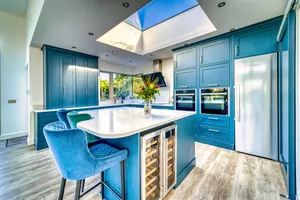
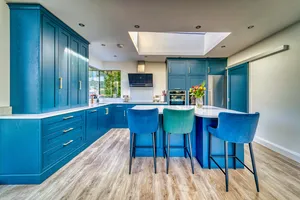
The biggest win is visual. With no extractor hood hanging overhead, an island hob keeps clean sightlines across an open plan room, and wall runs can carry cabinets or shelving right across where a hood would normally sit. Downdraft extraction also captures steam close to the pan rather than after it has spread, which many owners notice most when frying or cooking for a crowd.
The case against
A Bora system costs considerably more than a standard hob and hood, so it needs to earn its place in the budget. The filters need regular cleaning or replacement to keep extraction effective. And if you choose a ducted rather than recirculating installation, the ducting runs at floor level, which is easiest to plan during a full kitchen renovation rather than as a retrofit.
Where a Bora Hob Fits Best
Bora suits island installations and open plan renovations best, which is why it usually enters the conversation during a full kitchen redesign rather than a like-for-like appliance swap. If you are weighing it against a conventional hob and hood, our guide to new kitchen appliance costs will help you see the trade-off in context, and our kitchen cost guide shows where appliances sit in the overall budget.