Here’s the thing about planning a kitchen: it’s exciting and terrifying at the same time. You’re making decisions that’ll affect your daily life for the next 15-20 years, and honestly, that pressure can be paralysing. Where do you even start?
We get it. At Aloco Kitchens, we’ve been designing bespoke kitchens in Dublin since 1980, and we’ve seen countless families walk through our doors feeling exactly this way. The good news? Once you understand the key decisions you actually need to make, the whole process becomes manageable. Actually enjoyable, even.
This guide breaks down everything you need to know about kitchen planning, kitchen layout planning, and choosing a kitchen style that’ll work for your life. Not just for Pinterest photos, for real, everyday cooking, eating, and living.
Things to Consider When Planning Your Kitchen: The Quick Version
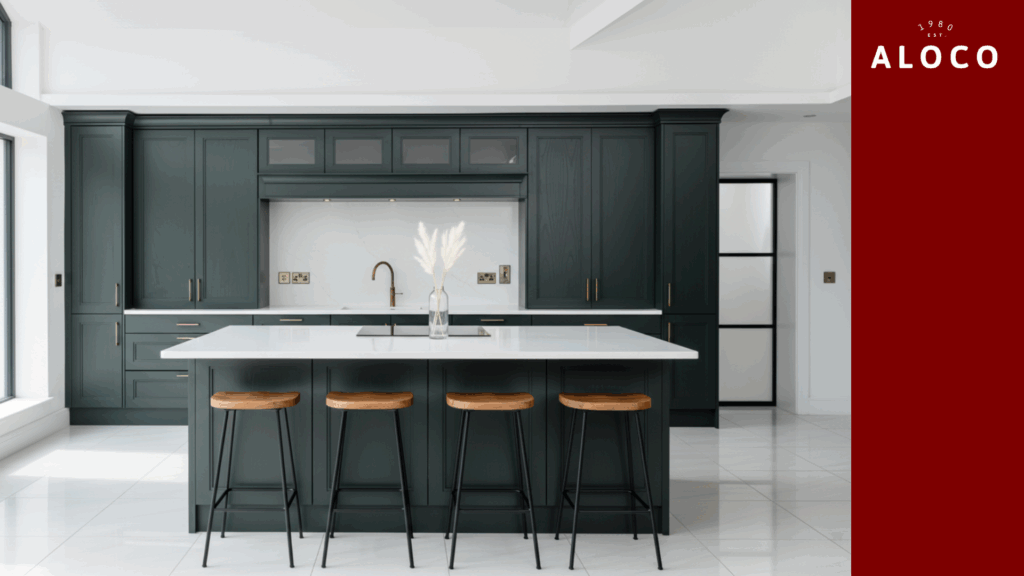
If you’re short on time, here’s what matters most when planning a kitchen:
First, figure out your kitchen style modern, traditional, or something in between. This sets the direction for everything else.
Second, measure your kitchen space accurately. We can’t stress this enough. Wrong measurements mean cabinets that don’t fit, and that’s an expensive problem.
Third, understand different kitchen layouts and the work triangle principle. Your kitchen layout determines whether cooking feels effortless or exhausting.
Fourth, plan for more storage space than you think you need. Trust us on this one.
Fifth, set a realistic budget and stick to it. A beautiful kitchen isn’t worth financial stress.
Ready to dive deeper? Let’s walk through each of these properly.
Choosing a Kitchen Style: Types of Kitchen Design That Actually Work
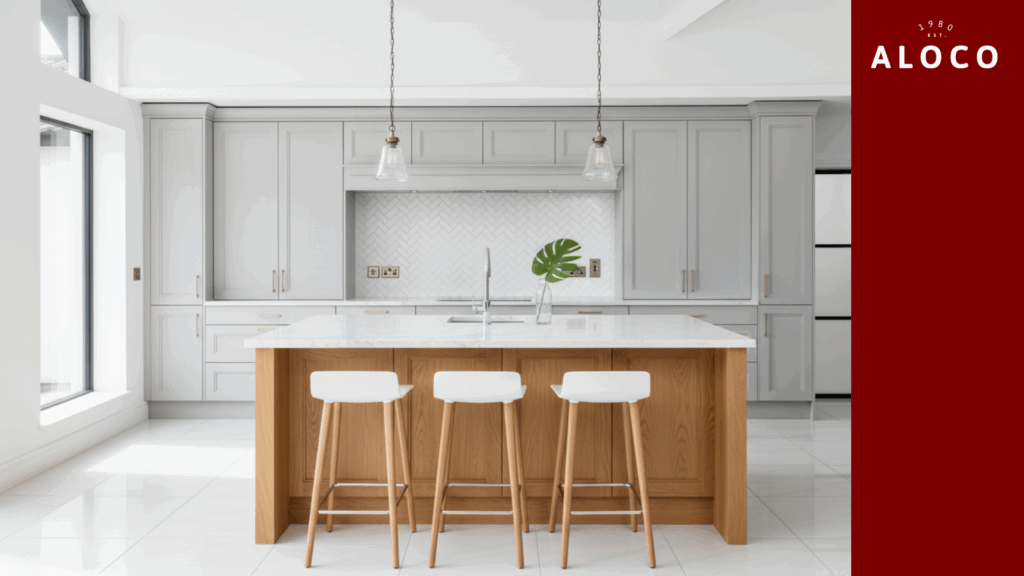
Here’s what nobody tells you about choosing a kitchen style: it needs to match both your home’s personality and how you actually live. That gorgeous modern kitchen you saved on Instagram? It might look stunning in a converted warehouse, but feel completely wrong in a 1930s Dublin semi-detached.
Current Kitchen Design Trends: Modern Kitchen Ideas
A modern kitchen strips away the unnecessary. Clean lines, handleless cabinets, integrated appliances, everything has a purpose. The current kitchen design trends lean toward sage greens and warm neutrals because, honestly, stark white kitchens can feel a bit clinical for Irish homes where we spend so much time indoors.
Modern doesn’t mean cold, though. You can create a warm, inviting modern kitchen by mixing textures, matte cabinets with natural wood, quartz worktops with brass hardware. This kitchen style works brilliantly in new builds or if you’re renovating and want a fresh start.
Explore our modern kitchen collection to see how contemporary design works in real Dublin homes.
Traditional Kitchen Character: Popular Kitchen Styles That Last
A traditional kitchen embraces details. Shaker kitchen cabinets, visible frame doors, classic handles, these elements create warmth that modern kitchens sometimes lack. The shaker kitchen remains Ireland’s most popular kitchen style for a reason: it suits our period homes while accommodating modern appliances and storage.
If your home has original features like ceiling roses or period fireplaces, a traditional kitchen feels like a natural extension rather than a jarring addition. This approach works particularly well in country kitchen settings where you want that cosy, lived-in feel.
Contemporary Kitchen Flexibility
Most of our clients actually end up here somewhere between modern and traditional. A contemporary kitchen lets you mix materials and styles without following rigid rules. Maybe you want shaker-style cabinets in a bold colour with minimalist hardware. Or a streamlined layout with some traditional detailing. This multifunctional kitchen approach accommodates different tastes within the same household.
The beauty of contemporary design is flexibility. You can incorporate current design trends without committing to a look that might feel dated in five years. View our contemporary kitchen designs for inspiration.
Kitchen Planning Checklist: Essential Things to Consider Before You Start Your New Kitchen
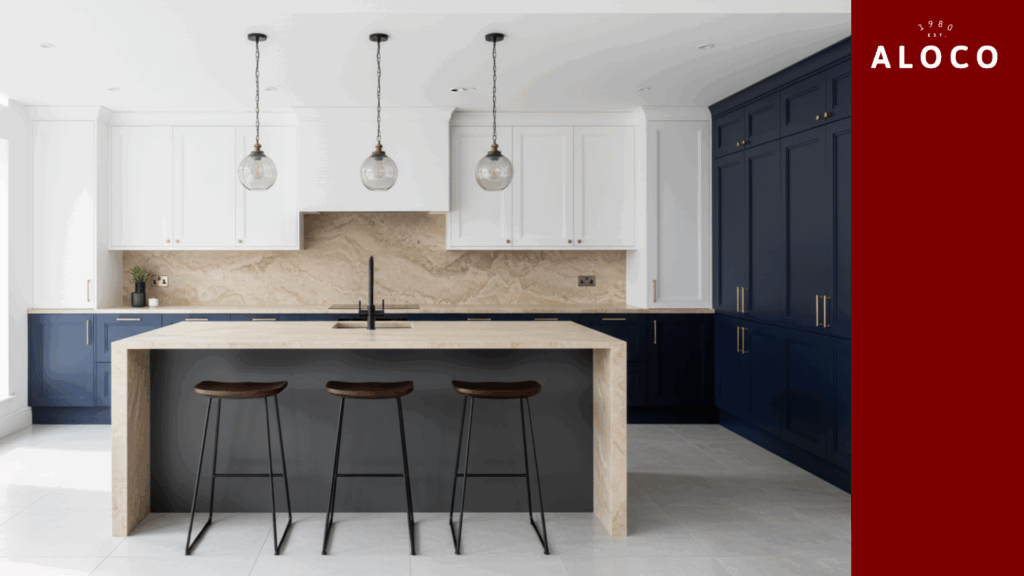
Let’s be practical. Planning your kitchen starts with honest questions about how you use your kitchen daily.
Understanding Your Real Kitchen Needs
Do you cook from scratch most nights, or is your kitchen mainly for weekend baking and weekday reheating? This matters because it determines appliance priorities, counter space needs, and storage solutions.
How many people typically use your kitchen simultaneously? If you’ve got multiple cooks bumping into each other in your current kitchen, your new kitchen layout needs to address that specific problem.
Does your kitchen double as homework central, home office, or party headquarters? Modern Irish kitchens serve many purposes beyond cooking. Your kitchen planning needs to accommodate these realities, not just the idealised version of how you think you should use your kitchen.
The Kitchen Planning Checklist Nobody Wants to Do (But Should)
Measure everything. And we mean everything, not just length and width, but ceiling height, window positions, door swings, and existing plumbing locations. Many kitchen disasters start with incomplete measurements. Download our free measuring guide to ensure you capture everything accurately.
List your appliances honestly. Include what you actually use (the coffee machine) and what’s gathering dust (that bread maker from 2019). This helps determine what storage space you genuinely need versus what you think you should have.
Think about workflow. Where do you prep vegetables? Where do plates land after washing? Where do school bags get dumped? Your new kitchen should work with these patterns, not against them.
Set a realistic budget, then add 15% for unexpected issues. Old houses, especially, tend to reveal surprises during renovation. That contingency fund prevents panic when your builder discovers outdated wiring behind the walls. Check our kitchen pricing guide for realistic Dublin market costs.
Different Kitchen Layouts: Choosing the Right Kitchen Design for Your Space
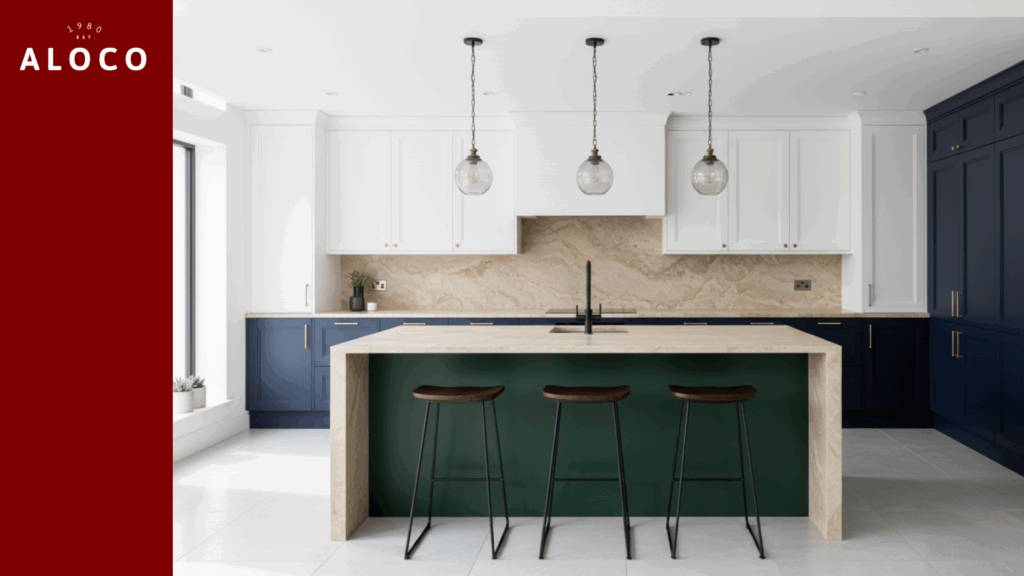
Your kitchen layout matters more than your kitchen colour or cabinet style because it determines whether cooking feels effortless or frustrating. Let’s break down different kitchen layouts and when each works best.
The Kitchen Triangle and Work Triangle: Why This Design Principle Still Matters
The work triangle positions your sink, hob, and refrigerator in an efficient triangle. Each leg should measure 4-9 feet. This layout principle is almost 100 years old, but it endures because it works.
Why? These three spots, your cleaning zone, cooking zone, and storage zone, form the core of most kitchen tasks. The kitchen triangle minimises unnecessary steps while cooking. That matters when you’re juggling boiling pasta, sautéing vegetables, and trying to prevent the toddler from touching the hot pan.
Modern kitchens sometimes adapt the triangle into work zones for larger spaces. Same principle, different execution. The goal is to create an efficient kitchen where everything you need stays within comfortable reach.
Galley Kitchen Layout
A galley kitchen puts cabinets on two parallel walls, creating a corridor workspace. This galley layout works brilliantly for smaller homes, terraced houses, older flats, compact spaces where every centimetre counts.
The galley kitchen layout naturally creates an efficient work triangle with appliances distributed along both walls. Everything stays within arm’s reach, which sounds limiting but actually streamlines cooking. Professional chefs often prefer galley layouts for exactly this reason.
The trick with designing a galley kitchen is using light colours and good lighting to prevent the space from feeling tunnel-like. Handleless cabinets help too, because protruding handles narrow the workspace. See our galley kitchen designs for small space solutions.
L-Shaped Kitchen Layout
An L-shaped kitchen uses two adjacent walls, leaving the rest open. This L-shaped layout is probably the most versatile option for Irish homes because it works in both small and large spaces.
The L-shaped kitchen layout creates a natural work triangle while leaving floor space for dining or living areas. It’s ideal if you want to consider adding an island later, because the L-configuration doesn’t dominate the room.
We see this layout requested most often because it balances storage, workspace, and openness. You get plenty of kitchen cabinet space without the enclosed feeling of a U-shaped configuration.
U-Shaped Kitchen
A U-shaped kitchen wraps around three walls, surrounding you with workspace and storage. This layout maximises kitchen cabinet capacity and counter space, making it perfect if cooking is your thing and you’ve got the room.
The U-shaped configuration creates excellent workflow because you can literally pivot between the three work zones without taking steps. Everything you need stays within reach.
The catch? You need at least 3 meters of width to prevent feeling boxed in. In smaller spaces, a U-shaped kitchen can feel claustrophobic rather than efficient.
Island Kitchen Design: When to Consider Adding an Island to Your Kitchen Space
A kitchen island transforms how you use your kitchen if you’ve got space for it. That “if” is important. You need at least 100cm clearance on all sides for comfortable movement. Many people squeeze islands into spaces too small, creating traffic jams instead of additional functionality.
When done right, the kitchen island becomes the heart of your home. Extra prep space, casual seating, storage underneath, potentially a second sink or hob. Islands work especially well in open-plan layouts where they help define the kitchen boundaries without walls.
Consider adding an island if your kitchen space allows it. But if it’s tight? A peninsula (extending from one wall) gives you similar benefits without requiring as much floor area. Browse our kitchen island ideas for inspiration.
Kitchen Colour Ideas: Choosing Colours for Your Kitchen Beyond Design Trends
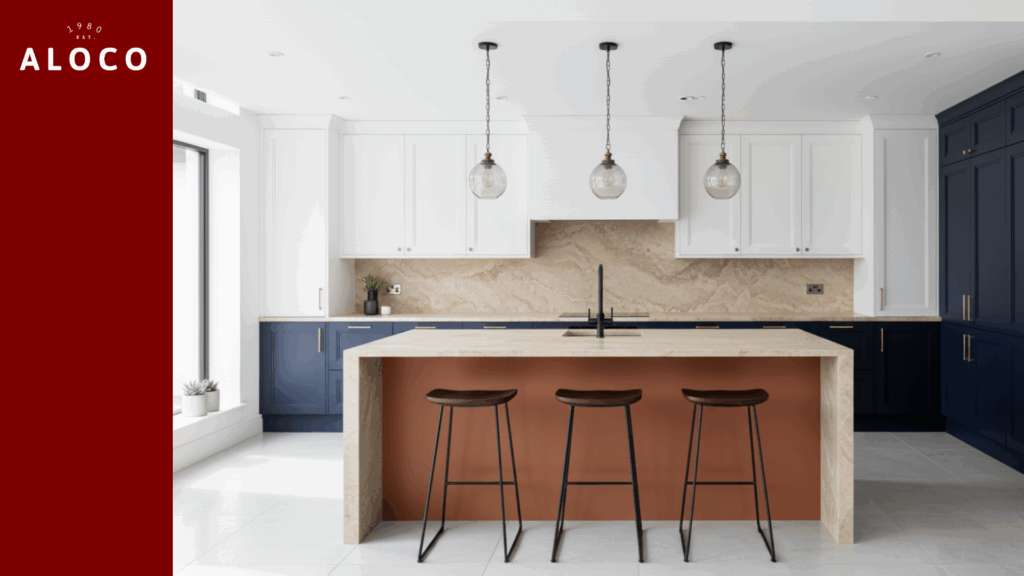
Kitchen colour affects mood, light, and how spacious the room feels. In Dublin’s often grey light, colour choices become particularly important.
The Appeal of White Kitchens
An all-white kitchen maximises light reflection and makes small kitchens feel more spacious. There’s a reason white kitchens remain endlessly popular: they’re clean, bright, and timeless.
But here’s the truth: white shows every mark, every splash, every greasy fingerprint. If you’ve got young children or you’re not particularly tidy, an all-white kitchen might create more stress than it’s worth.
A better approach? Off-white or warm cream cabinets that give you that bright, spacious feel while being more forgiving of real life.
Embracing Kitchen Colour
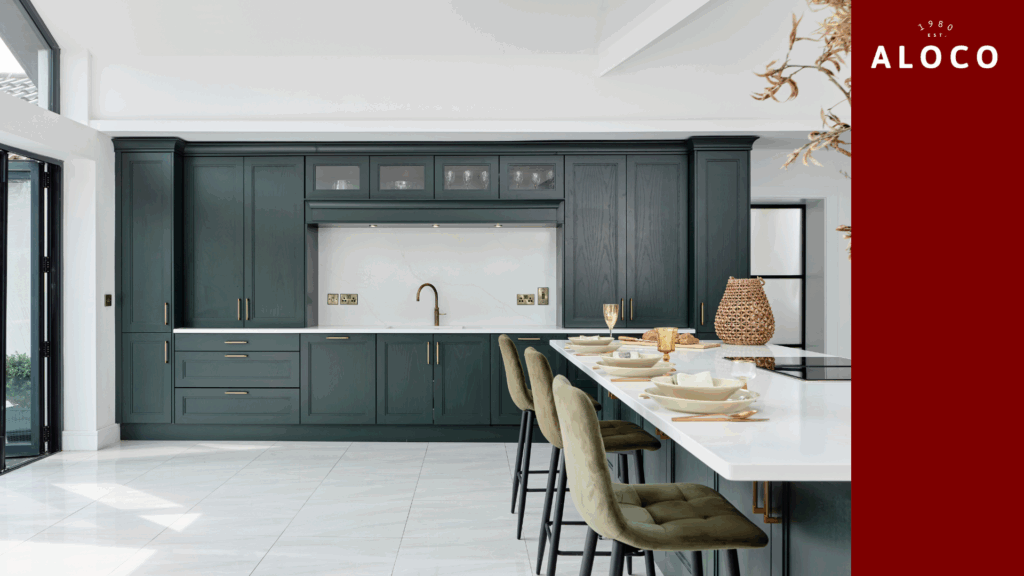
Current kitchen design trends favour warmer, earthier tones. Sage green cabinets have become hugely popular because they bring calm, natural tones without the starkness of white or the darkness of navy.
When choosing colours for your kitchen, consider your natural light. North-facing kitchens benefit from warm colours that compensate for cooler light. South-facing spaces can handle deeper colours without feeling dark.
If you love bold colour but worry about commitment, use it strategically. Deep blue or charcoal on your kitchen island with lighter perimeter cabinets gives you personality without overwhelming the space. Check our kitchen colour guide for Dublin-specific lighting considerations.
The key is choosing a kitchen colour you’ll love in 10 years, not just right now. Trends fade. Your daily happiness in this space matters more.
Kitchen Storage Solutions: Maximising Cabinet and Storage Space in Your Kitchen
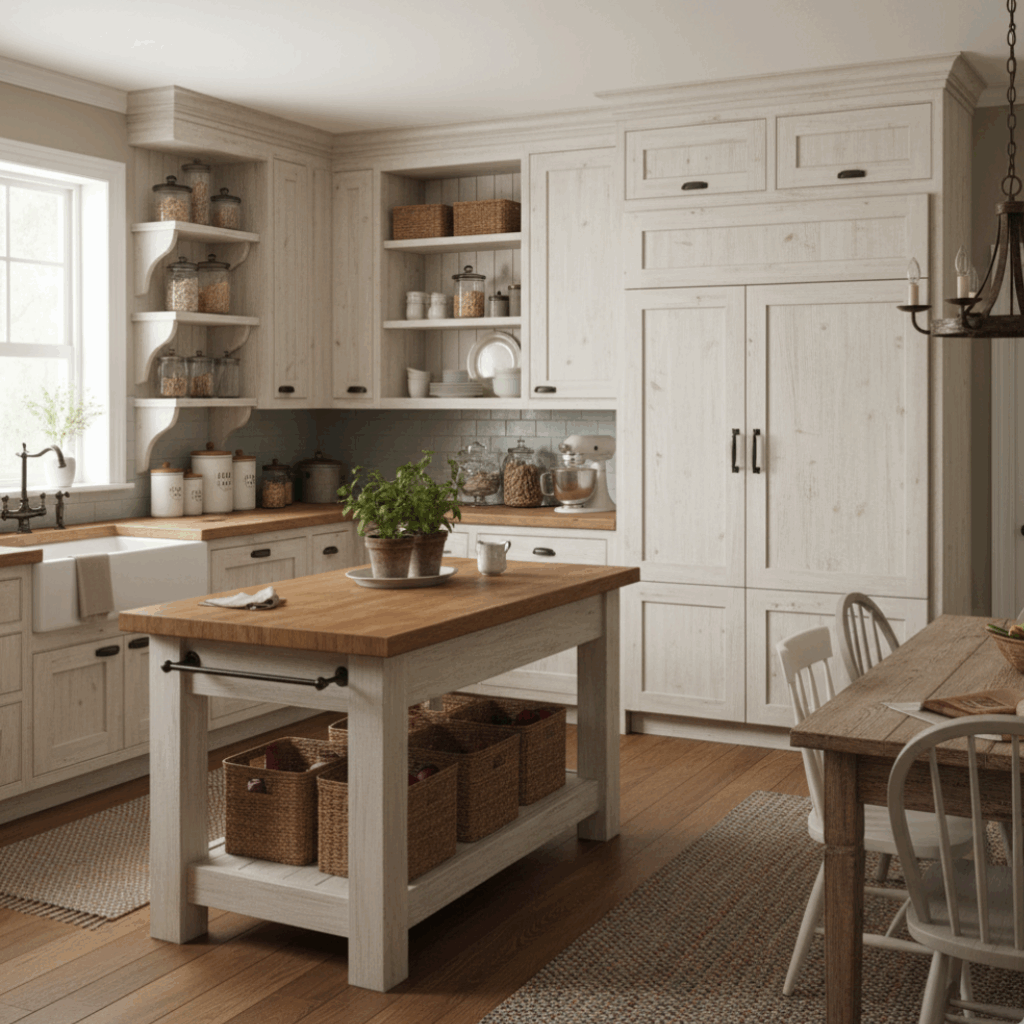
Here’s what happens with kitchen storage: you think you have enough, then six months after installation, you’re cramming things into already-full cabinets, wondering where it all went wrong.
Kitchen Cabinet Design: Maximising Your Cabinet Storage
Your kitchen cabinets need to work harder than you think. Deep pan drawers beat traditional cupboards because you can see and reach everything without excavating the back. Pull-out systems for corner cabinets transform that awkward space from wasted to useful.
Vertical dividers for baking trays, dedicated sections for small appliances, and under-sink organisation that works around plumbing- these details separate a functional kitchen from a frustrating one.
Plan your kitchen cabinet configuration around what you actually own, not idealised minimalist fantasies. If you have 20 mugs, your kitchen storage needs to accommodate 20 mugs. Pretending you’ll pare down to 6 matching ones is setting yourself up for disappointment.
Explore our storage solutions guide for specific product recommendations.
Smart Storage Solutions for Small Kitchens
Even a small kitchen can feel spacious with clever storage space planning. Floor-to-ceiling cabinets use the vertical space most people waste. Slimline pull-out units (15-20cm wide) create accessible storage for oils, spices, and bottles.
Drawer organisers, door-mounted racks, magnetic knife strips these small additions multiply your usable storage without any structural changes.
The goal is to ensure everything has a place, so surfaces stay clear. Because counter space is too valuable for permanent appliance parking.
Common Kitchen Design Mistakes When Planning Your Kitchen (And How to Avoid Them)
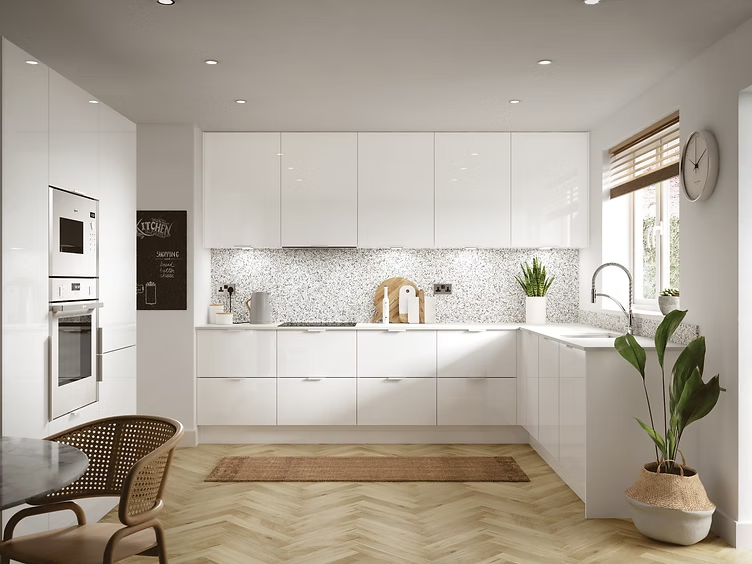
Let’s talk about the errors we see repeatedly when people are thinking about kitchen renovations, so you can skip them.
Ignoring the Work Triangle
Placing your fridge at one end of the kitchen and your sink at the other might look balanced on paper, but it creates exhausting workflows in practice. Every meal becomes an endurance test of unnecessary steps.
The kitchen triangle exists for a reason. Fight the urge to prioritise symmetry over functionality.
Insufficient Counter Space
Squeezing in extra cabinets at the expense of counter space leaves you with nowhere to work. You need landing zones beside your hob for hot pots, next to your sink for draining, and near your fridge for unpacking groceries.
Choosing Appliances and Kitchen Cabinet Quality
Don’t sacrifice workspace for storage. You need both.
Your kitchen cabinets and appliances need proper planning. Quality cabinets form the foundation of your new kitchen, while integrated appliances create a seamless look. Consider which appliances you actually use daily versus those gathering dust in your current kitchen.
Read our appliance buying guide before making commitments.
Underestimating Storage Needs
Plan for 20% more kitchen storage than you currently think necessary. Honestly, you’ll fill it. Kitchen equipment multiplies mysteriously over time.
Choosing Style Over Substance
That stunning but shallow farmhouse sink that splashes water everywhere? Beautiful in photos, frustrating in daily use. Gorgeous marble countertops that stain when lemon juice touches them? Same problem.
Balance aesthetics with an honest assessment of how you use your kitchen. The best kitchen design works beautifully while actually functioning for your life.
Poor Lighting
One ceiling fixture doesn’t cut it. You need layered lighting under-cabinet lights for task work, ambient ceiling lights for general illumination, and maybe pendant lights over your island for atmosphere.
Proper lighting transforms how your kitchen feels and functions. Don’t skimp here. Check our kitchen lighting guide for specific recommendations.
Ready to Design Your Dream Kitchen? Popular Kitchen Design Ideas from Aloco
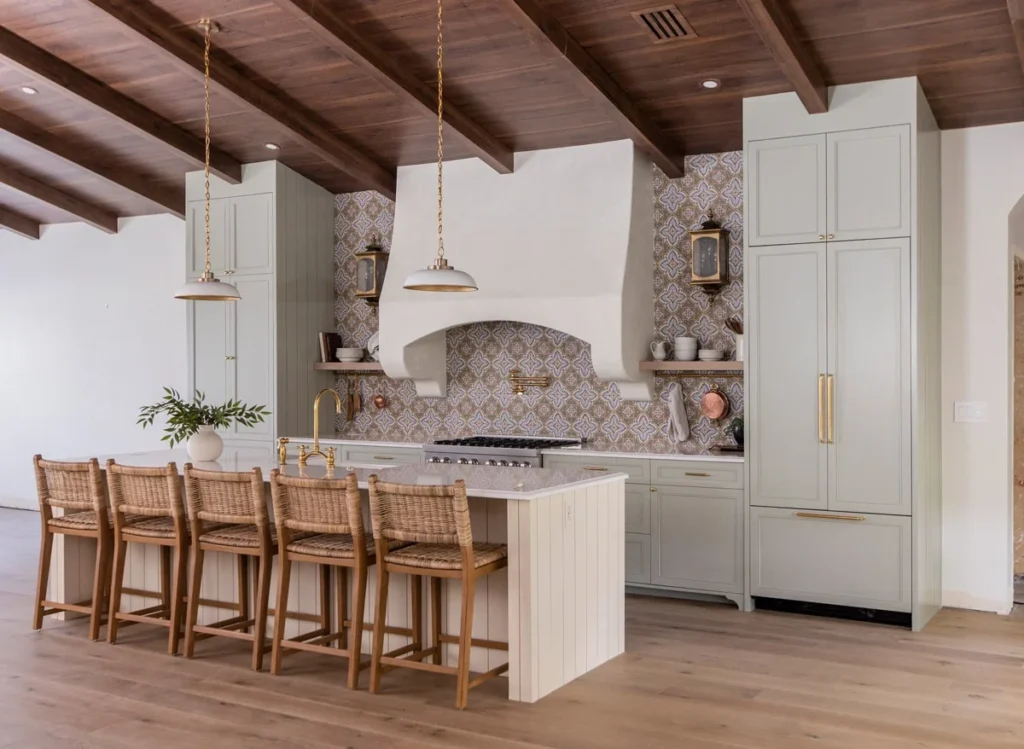
You’ve now got a solid foundation for planning your kitchen. You understand different kitchen layouts, the importance of the work triangle, how kitchen style choices affect your space, and things to consider before making final decisions.
The next step? Talk to someone who does this professionally.
At Aloco Kitchens, we’ve been handcrafting bespoke kitchens in Dublin since 1980. We’re a family-run business, which means we actually care whether your kitchen works for your family, not just whether we make a sale.
Our designers will listen to how you actually use your kitchen, show you realistic options that work in Irish homes (because we understand Irish house layouts and light conditions), and create a plan that fits your life and budget.
We use sustainable Irish materials, timber from Irish forests, stone from Irish quarries, and metalwork from local suppliers. As members of the National Guild of Master Craftsmen, we maintain high standards because our reputation depends on creating kitchens people genuinely love.
Your Questions About Kitchen Design, Planning, and Layout Answered
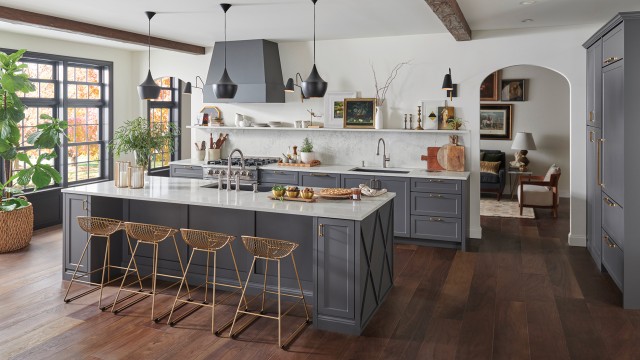
What’s the best kitchen layout for a small kitchen space?
A galley kitchen layout typically wins for small spaces because it maximises efficiency without wasting floor area. An L-shaped kitchen can also work well if you want to include a small dining spot within the room. The galley layout is particularly efficient for creating the perfect kitchen triangle.
How do I choose the right kitchen style for my home?
Your kitchen style should reflect your personality while fitting your home’s character. Period homes typically suit traditional or shaker kitchen designs. Modern builds offer more flexibility. Visit showrooms, take photos of kitchens you love, and notice patterns in what appeals to you.
What’s this work triangle everyone mentions?
The kitchen triangle (or work triangle) positions your sink, hob, and refrigerator in a triangle with each leg measuring 4-9 feet. This layout minimises movement between your three most-used spots, making cooking less tiring. It’s old advice, but it’s stuck around because it works.
How much should I budget for a new kitchen?
Most Irish families spend €15,000-€25,000 for a quality mid-range kitchen. Small kitchens might cost €10,000-€18,000. Larger bespoke kitchen designs can reach €25,000-€45,000+. A reasonable guideline: budget 5-10% of your home’s value for a kitchen that adds value without overcapitalizing. Check our detailed kitchen pricing guide.
Should I add a kitchen island to my current kitchen design?
Only if your kitchen space actually accommodates one. You need at least 100cm clearance on all sides for comfortable movement. A kitchen island works brilliantly when sized appropriately, but creates frustrating bottlenecks when squeezed into insufficient space. Consider adding an island only after reviewing your kitchen layout carefully.
How long does kitchen planning and installation take?
Typically 10-15 weeks total. Design consultation and finalisation take 3-5 weeks, manufacturing another 6-8 weeks, and installation takes 1-2 weeks. This timeline ensures quality rather than rushing the most important room in your home.
Do I need planning permission for a new kitchen?
Usually not for replacing an existing kitchen or reconfiguring within the same space. You might need permission for structural changes, removing load-bearing walls, creating new exterior openings, and extending the kitchen footprint. Check with your local authority or ask our designers, who understand Dublin regulations.
What are the most popular kitchen design trends in Ireland right now?
Current trends include sage green cabinets, brass and gold hardware, handleless designs, integrated appliances, and mixed materials. However, we always recommend choosing timeless elements over trendy ones for longevity. View our latest kitchen trends article for more details.
Your dream kitchen is possible. It requires thoughtful planning of your kitchen layout, choosing colours and materials that work with your light and space, and honestly assessing how you use your kitchen daily.
The best kitchen design isn’t about following trends or impressing visitors. It’s about creating a space that makes your daily life better, easier, more enjoyable, and more efficient.
Start there, and everything else follows.
Ready to begin? Book your free consultation with Aloco Kitchens today.
Here’s the thing about planning a kitchen: it’s exciting and terrifying at the same time. You’re making decisions that’ll affect your daily life for the next 15-20 years, and honestly, that pressure can be paralysing. Where do you even start?
We get it. At Aloco Kitchens, we’ve been designing bespoke kitchens in Dublin since 1980, and we’ve seen countless families walk through our doors feeling exactly this way. The good news? Once you understand the key decisions you actually need to make, the whole process becomes manageable. Actually enjoyable, even.
This guide breaks down everything you need to know about kitchen design, kitchen layout planning, and choosing a kitchen style that’ll work for your life. Not just for Pinterest photos, for real, everyday cooking, eating, and living.
Things to Consider When Planning Your Kitchen: The Quick Version
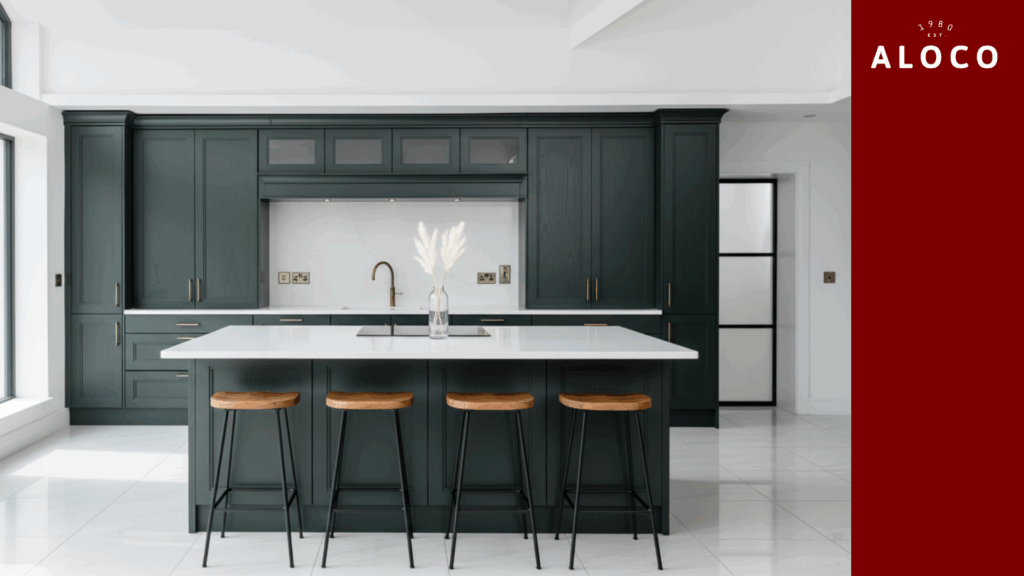
If you’re short on time, here’s what matters most when planning a kitchen:
First, figure out your kitchen style modern, traditional, or something in between. This sets the direction for everything else.
Second, measure your kitchen space accurately. We can’t stress this enough. Wrong measurements mean cabinets that don’t fit, and that’s an expensive problem.
Third, understand different kitchen layouts and the work triangle principle. Your kitchen layout determines whether cooking feels effortless or exhausting.
Fourth, plan for more storage space than you think you need. Trust us on this one.
Fifth, set a realistic budget and stick to it. A beautiful kitchen isn’t worth financial stress.
Ready to dive deeper? Let’s walk through each of these properly.
Choosing a Kitchen Style: Types of Kitchen Design That Actually Work
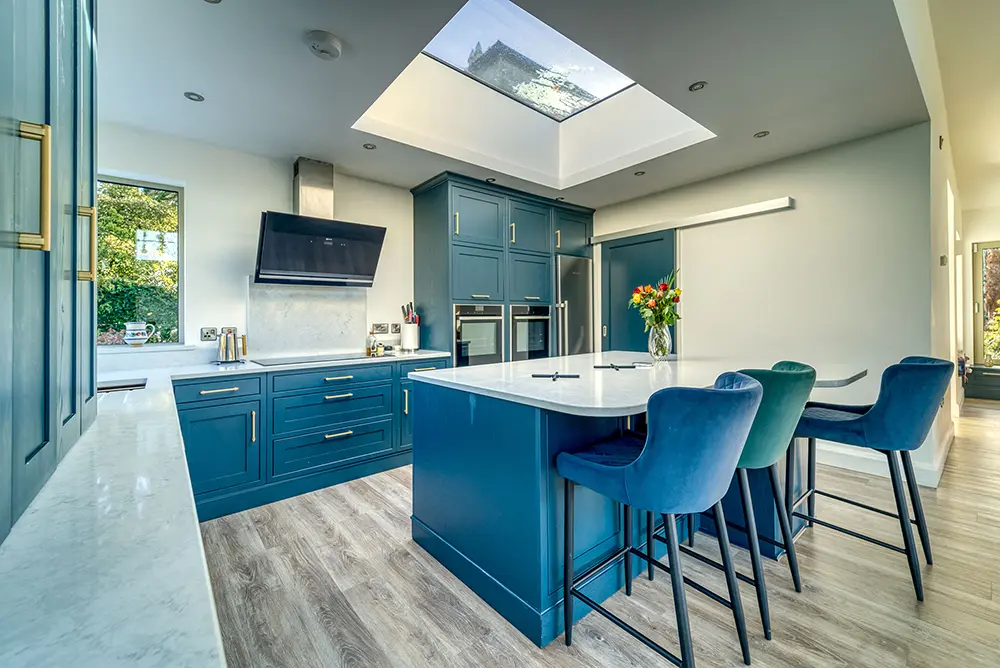
Here’s what nobody tells you about choosing a kitchen style: it needs to match both your home’s personality and how you actually live. That gorgeous modern kitchen you saved on Instagram? It might look stunning in a converted warehouse, but feel completely wrong in a 1930s Dublin semi-detached.
Current Kitchen Design Trends: Modern Kitchen Ideas
A modern kitchen strips away the unnecessary. Clean lines, handleless cabinets, integrated appliances, everything has a purpose. The current kitchen design trends lean toward sage greens and warm neutrals because, honestly, stark white kitchens can feel a bit clinical for Irish homes where we spend so much time indoors.
Modern doesn’t mean cold, though. You can create a warm, inviting modern kitchen by mixing textures, matte cabinets with natural wood, quartz worktops with brass hardware. This kitchen style works brilliantly in new builds or if you’re renovating and want a fresh start.
Explore our modern kitchen collection to see how contemporary design works in real Dublin homes.
Traditional Kitchen Character: Popular Kitchen Styles That Last
A traditional kitchen embraces details. Shaker kitchen cabinets, visible frame doors, classic handles, these elements create warmth that modern kitchens sometimes lack. The shaker kitchen remains Ireland’s most popular kitchen style for a reason: it suits our period homes while accommodating modern appliances and storage.
If your home has original features like ceiling roses or period fireplaces, a traditional kitchen feels like a natural extension rather than a jarring addition. This approach works particularly well in country kitchen settings where you want that cosy, lived-in feel.
Contemporary Kitchen Flexibility
Most of our clients actually end up here somewhere between modern and traditional. A contemporary kitchen lets you mix materials and styles without following rigid rules. Maybe you want shaker-style cabinets in a bold colour with minimalist hardware. Or a streamlined layout with some traditional detailing. This multifunctional kitchen approach accommodates different tastes within the same household.
The beauty of contemporary design is flexibility. You can incorporate current design trends without committing to a look that might feel dated in five years. View our contemporary kitchen designs for inspiration.
Kitchen Planning Checklist: Essential Things to Consider Before You Start Your New Kitchen
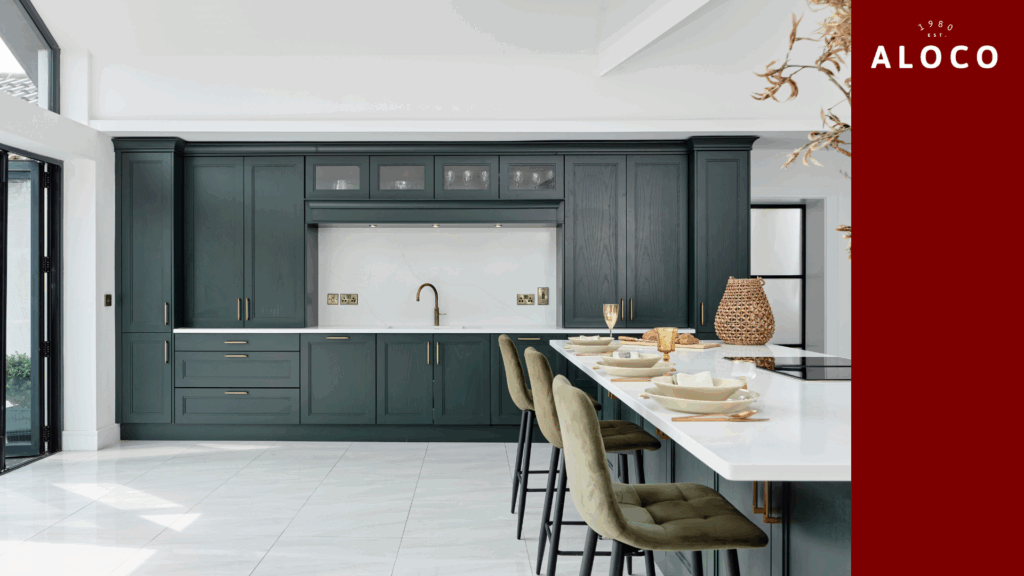
Let’s be practical. Planning your kitchen starts with honest questions about how you use your kitchen daily.
Understanding Your Real Kitchen Needs
Do you cook from scratch most nights, or is your kitchen mainly for weekend baking and weekday reheating? This matters because it determines appliance priorities, counter space needs, and storage solutions.
How many people typically use your kitchen simultaneously? If you’ve got multiple cooks bumping into each other in your current kitchen, your new kitchen layout needs to address that specific problem.
Does your kitchen double as homework central, home office, or party headquarters? Modern Irish kitchens serve many purposes beyond cooking. Your kitchen planning needs to accommodate these realities, not just the idealised version of how you think you should use your kitchen.
The Kitchen Planning Checklist Nobody Wants to Do (But Should)
Measure everything. And we mean everything, not just length and width, but ceiling height, window positions, door swings, and existing plumbing locations. Many kitchen disasters start with incomplete measurements. Download our free measuring guide to ensure you capture everything accurately.
List your appliances honestly. Include what you actually use (the coffee machine) and what’s gathering dust (that bread maker from 2019). This helps determine what storage space you genuinely need versus what you think you should have.
Think about workflow. Where do you prep vegetables? Where do plates land after washing? Where do school bags get dumped? Your new kitchen should work with these patterns, not against them.
Set a realistic budget, then add 15% for unexpected issues. Old houses, especially, tend to reveal surprises during renovation. That contingency fund prevents panic when your builder discovers outdated wiring behind the walls. Check our kitchen pricing guide for realistic Dublin market costs.
Kitchen Colour Ideas: Choosing Colours for Your Kitchen Beyond Design Trends
Kitchen colour affects mood, light, and how spacious the room feels. In Dublin’s often grey light, colour choices become particularly important.
The Appeal of White Kitchens
An all-white kitchen maximises light reflection and makes small kitchens feel more spacious. There’s a reason white kitchens remain endlessly popular: they’re clean, bright, and timeless.
But here’s the truth: white shows every mark, every splash, every greasy fingerprint. If you’ve got young children or you’re not particularly tidy, an all-white kitchen might create more stress than it’s worth.
A better approach? Off-white or warm cream cabinets that give you that bright, spacious feel while being more forgiving of real life.
Embracing Kitchen Colour
Current kitchen design trends favour warmer, earthier tones. Sage green cabinets have become hugely popular because they bring calm, natural tones without the starkness of white or the darkness of navy.
When choosing colours for your kitchen, consider your natural light. North-facing kitchens benefit from warm colours that compensate for cooler light. South-facing spaces can handle deeper colours without feeling dark.
If you love bold colour but worry about commitment, use it strategically. Deep blue or charcoal on your kitchen island with lighter perimeter cabinets gives you personality without overwhelming the space. Check our kitchen colour guide for Dublin-specific lighting considerations.
The key is choosing a kitchen colour you’ll love in 10 years, not just right now. Trends fade. Your daily happiness in this space matters more.
Kitchen Storage Solutions: Maximising Cabinet and Storage Space in Your Kitchen
Here’s what happens with kitchen storage: you think you have enough, then six months after installation, you’re cramming things into already-full cabinets, wondering where it all went wrong.
Kitchen Cabinet Design: Maximising Your Cabinet Storage
Your kitchen cabinets need to work harder than you think. Deep pan drawers beat traditional cupboards because you can see and reach everything without excavating the back. Pull-out systems for corner cabinets transform that awkward space from wasted to useful.
Vertical dividers for baking trays, dedicated sections for small appliances, and under-sink organisation that works around plumbing- these details separate a functional kitchen from a frustrating one.
Plan your kitchen cabinet configuration around what you actually own, not idealised minimalist fantasies. If you have 20 mugs, your kitchen storage needs to accommodate 20 mugs. Pretending you’ll pare down to 6 matching ones is setting yourself up for disappointment.
Explore our storage solutions guide for specific product recommendations.
Smart Storage Solutions for Small Kitchens
Even a small kitchen can feel spacious with clever storage space planning. Floor-to-ceiling cabinets use the vertical space most people waste. Slimline pull-out units (15-20cm wide) create accessible storage for oils, spices, and bottles.
Drawer organisers, door-mounted racks, magnetic knife strips these small additions multiply your usable storage without any structural changes.
The goal is to ensure everything has a place, so surfaces stay clear. Because counter space is too valuable for permanent appliance parking.
Common Kitchen Design Mistakes When Planning Your Kitchen (And How to Avoid Them)
Let’s talk about the errors we see repeatedly when people are thinking about kitchen renovations, so you can skip them.
Ignoring the Work Triangle
Placing your fridge at one end of the kitchen and your sink at the other might look balanced on paper, but it creates exhausting workflows in practice. Every meal becomes an endurance test of unnecessary steps.
The kitchen triangle exists for a reason. Fight the urge to prioritise symmetry over functionality.
Insufficient Counter Space
Squeezing in extra cabinets at the expense of counter space leaves you with nowhere to work. You need landing zones beside your hob for hot pots, next to your sink for draining, and near your fridge for unpacking groceries.
Choosing Appliances and Kitchen Cabinet Quality
Don’t sacrifice workspace for storage. You need both.
Your kitchen cabinets and appliances need proper planning. Quality cabinets form the foundation of your new kitchen, while integrated appliances create a seamless look. Consider which appliances you actually use daily versus those gathering dust in your current kitchen.
Read our appliance buying guide before making commitments.
Underestimating Storage Needs
Plan for 20% more kitchen storage than you currently think necessary. Honestly, you’ll fill it. Kitchen equipment multiplies mysteriously over time.
Choosing Style Over Substance
That stunning but shallow farmhouse sink that splashes water everywhere? Beautiful in photos, frustrating in daily use. Gorgeous marble countertops that stain when lemon juice touches them? Same problem.
Balance aesthetics with an honest assessment of how you use your kitchen. The best kitchen design works beautifully while actually functioning for your life.
Poor Lighting
One ceiling fixture doesn’t cut it. You need layered lighting under-cabinet lights for task work, ambient ceiling lights for general illumination, and maybe pendant lights over your island for atmosphere.
Proper lighting transforms how your kitchen feels and functions. Don’t skimp here. Check our kitchen lighting guide for specific recommendations.
Ready to Design Your Dream Kitchen? Popular Kitchen Design Ideas from Aloco
You’ve now got a solid foundation for planning your kitchen. You understand different kitchen layouts, the importance of the work triangle, how kitchen style choices affect your space, and things to consider before making final decisions.
The next step? Talk to someone who does this professionally.
At Aloco Kitchens, we’ve been handcrafting bespoke kitchens in Dublin since 1980. We’re a family-run business, which means we actually care whether your kitchen works for your family, not just whether we make a sale.
Our designers will listen to how you actually use your kitchen, show you realistic options that work in Irish homes (because we understand Irish house layouts and light conditions), and create a plan that fits your life and budget.
We use sustainable Irish materials, timber from Irish forests, stone from Irish quarries, and metalwork from local suppliers. As members of the National Guild of Master Craftsmen, we maintain high standards because our reputation depends on creating kitchens people genuinely love.
Book Your Free Design Consultation
Schedule a consultation at our Dublin showroom. No pressure, no hard sell. Just an honest conversation about what might work for your kitchen space and your life.
Contact Aloco Kitchens: 📍 Visit our showroom – Dublin, Ireland 📞 Call: +353 1 XXX XXXX 📧 Email: info@alocokitchens.ie 🌐 Website: www.alocokitchens.ie
Explore More Kitchen Resources
- Kitchen Design Portfolio – See our completed Dublin projects
- Customer Reviews – Read what our clients say
- Kitchen Blog – More design tips and trends
- About Aloco Kitchens – Our story since 1980
Your Questions About Kitchen Design, Planning, and Layout Answered
What’s the best kitchen layout for a small kitchen space?
A galley kitchen layout typically wins for small spaces because it maximises efficiency without wasting floor area. An L-shaped kitchen can also work well if you want to include a small dining spot within the room. The galley layout is particularly efficient for creating the perfect kitchen triangle.
How do I choose the right kitchen style for my home?
Your kitchen style should reflect your personality while fitting your home’s character. Period homes typically suit traditional or shaker kitchen designs. Modern builds offer more flexibility. Visit showrooms, take photos of kitchens you love, and notice patterns in what appeals to you.
What’s this work triangle everyone mentions?
The kitchen triangle (or work triangle) positions your sink, hob, and refrigerator in a triangle with each leg measuring 4-9 feet. This layout minimises movement between your three most-used spots, making cooking less tiring. It’s old advice, but it’s stuck around because it works.
How much should I budget for a new kitchen?
Most Irish families spend €15,000-€25,000 for a quality mid-range kitchen. Small kitchens might cost €10,000-€18,000. Larger bespoke kitchen designs can reach €25,000-€45,000+. A reasonable guideline: budget 5-10% of your home’s value for a kitchen that adds value without overcapitalizing. Check our detailed kitchen pricing guide.
Should I add a kitchen island to my current kitchen design?
Only if your kitchen space actually accommodates one. You need at least 100cm clearance on all sides for comfortable movement. A kitchen island works brilliantly when sized appropriately, but creates frustrating bottlenecks when squeezed into insufficient space. Consider adding an island only after reviewing your kitchen layout carefully.
How long does kitchen planning and installation take?
Typically 10-15 weeks total. Design consultation and finalisation take 3-5 weeks, manufacturing another 6-8 weeks, and installation takes 1-2 weeks. This timeline ensures quality rather than rushing the most important room in your home.
Do I need planning permission for a new kitchen?
Usually not for replacing an existing kitchen or reconfiguring within the same space. You might need permission for structural changes, removing load-bearing walls, creating new exterior openings, and extending the kitchen footprint. Check with your local authority or ask our designers, who understand Dublin regulations.
What are the most popular kitchen design trends in Ireland right now?
Current trends include sage green cabinets, brass and gold hardware, handleless designs, integrated appliances, and mixed materials. However, we always recommend choosing timeless elements over trendy ones for longevity. View our latest kitchen trends article for more details.
Your dream kitchen is possible. It requires thoughtful planning of your kitchen layout, choosing colours and materials that work with your light and space, and honestly assessing how you use your kitchen daily.
The best kitchen design isn’t about following trends or impressing visitors. It’s about creating a space that makes your daily life better, easier, more enjoyable, and more efficient.
Start there, and everything else follows.
Ready to begin? Book your free consultation with Aloco Kitchens today.