If you’ve ever stood waiting for the kettle to boil, wondering why we haven’t moved past this particular inconvenience, you’re not alone. The Quooker tap solves this problem entirely by giving you 100°c boiling water the moment you need it. No waiting, no wasted energy, just instant hot water whenever you turn the tap.
But how does a Quooker tap work exactly? And is it worth the investment for your kitchen? Let’s walk through everything you need to know.
What Is a Quooker Tap?
A Quooker tap is a boiling water tap that sits on your worktop just like any other kitchen tap, but with one significant difference: it can dispense boiling water instantly alongside your regular hot and cold water. Some models, like those with the Quooker Cube, also give you chilled and sparkling water from the same tap.
Unlike waiting for a kettle to boil, which can take several minutes and uses considerable energy each time, a Quooker system keeps water at 100°c in a small tank stored in your kitchen cupboard. When you need boiling water, it’s ready immediately.
The taps come in various styles and different finishes to suit any kitchen design. You can choose a single tap dedicated to boiling water or a mixer tap that handles everything from one spout.
How Does a Quooker Tap Work?
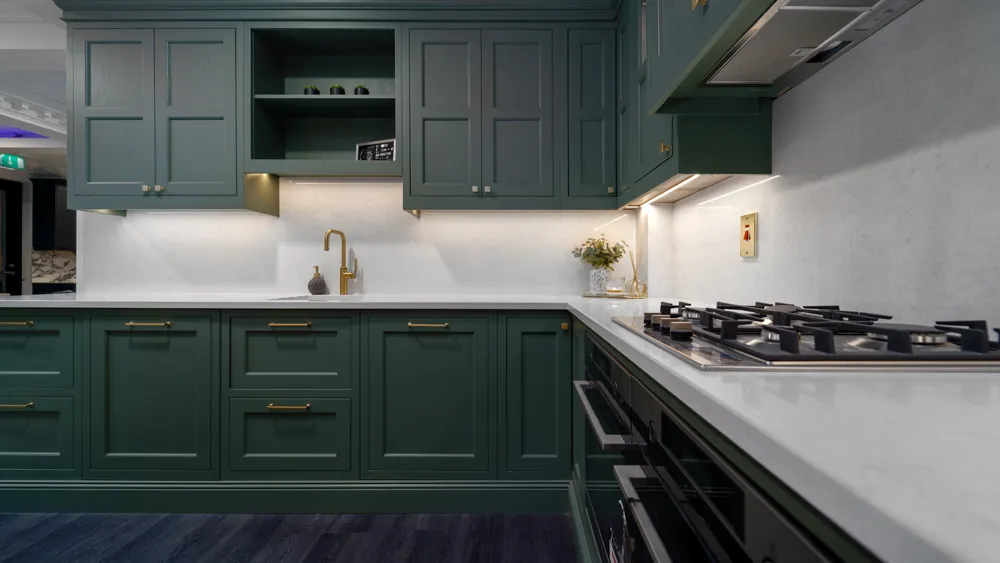
The clever bit happens beneath your worktop. A Quooker system consists of the tap itself and a compact boiling water tank that sits in your kitchen cabinet, connected to your water mains.
This tank works much like a vacuum flask in principle. The insulation is so effective that heat cannot escape, meaning the water stays at 100°c with remarkably little energy. In fact, the standby power consumption is only around 10 watts, which costs just a few cents per day to run. The amount of energy used is far less than boiling a kettle multiple times throughout the day.
When the tap is turned, boiling water flows up through an insulated spout and out in a fine, aerated spray. This spray pattern is a safety feature, as it reduces the risk of splashing compared to a solid stream of water.
If you add a Quooker Cube to your setup, the system can also chill and carbonate water, giving you sparkling water on tap as well. It’s a genuine alternative to buying bottled water.
Why Choose a Quooker Over a Kettle?
Beyond the obvious convenience, there are several practical reasons to consider a Quooker tap for your kitchen.
Time is the first one. Every cup of tea, every pot of pasta, every time you need to sterilise something or fill a hot water bottle, you’re saving minutes. Those minutes add up over weeks and months.
Energy efficiency is another factor. Because the tank maintains temperature with such effective insulation, there’s minimal heat loss. Compare this to a kettle, which heats water from cold every single time and loses that heat to the surrounding air. The Quooker approach is genuinely more efficient if you use boiling water regularly throughout the day.
Safety matters too, particularly in households with children. Quooker taps have a childproof mechanism that requires a push and turn motion to dispense boiling water. You can’t accidentally activate it. The insulated spout also stays cool to the touch, unlike a kettle that remains hot long after boiling.
Finally, there’s the kitchen aesthetic. Removing the kettle from your worktop frees up space and creates a cleaner look. For smaller kitchens especially, this can make a noticeable difference.
How to Install a Quooker
Before you install a Quooker, there are a few things to check. Your water pressure needs to meet certain requirements for the system to work properly. There also needs to be enough space in your kitchen cupboard beneath the tap location to house the tank, and potentially the Cube if you’re adding sparkling water.
The installation itself involves connecting the tank to your water supply, fitting a filter to keep the water clean and reduce limescale buildup, and mounting the tap through your worktop. The boiling water tank connects to standard electrical supply.
While it’s possible to install a Quooker yourself if you’re comfortable with plumbing and electrics, most people have it fitted professionally. A proper installation ensures everything is sealed correctly and working as it should. Given the investment involved, it’s worth getting it right.
Common issues during installation usually relate to water pressure being too low or inadequate space beneath the worktop. In hard water areas, the filter becomes particularly important, and you’ll need to replace it periodically to prevent limescale affecting the system.
How to Use a Quooker Tap
Day to day, using a Quooker tap is straightforward. For regular hot and cold water, it works exactly like any mixer tap. Turn the handle one way for cold, the other for hot.
For boiling water, you engage the safety mechanism. On most models, this means pushing down on the tap and turning. The Quooker boiling water then flows in that distinctive aerated spray pattern. Release the mechanism and the flow stops immediately.
If you have a Quooker Flex model, there’s also a flexible pull out hose for rinsing and filling, which is handy for everything from washing vegetables to filling tall pots.
The Quooker Cube adds another dimension. Once installed, you can dispense chilled water or sparkling water using additional controls on the tap. It’s genuinely useful if you drink a lot of sparkling water, as it eliminates the need for water bottles entirely.
Keeping Your Quooker Running Smoothly
Maintenance is minimal but important. Wipe down the spout regularly with a soft cloth to prevent water marks and limescale deposits on the exterior. The filter should be changed according to the manufacturer’s schedule, which varies depending on your water hardness and usage.
In hard water areas, you may need to descale the boiling water tank periodically. The system will usually indicate when this is needed. Keeping on top of this maintenance ensures your Quooker tap continues to dispense boiling water efficiently for years.
Styles and Finishes to Suit Your Kitchen
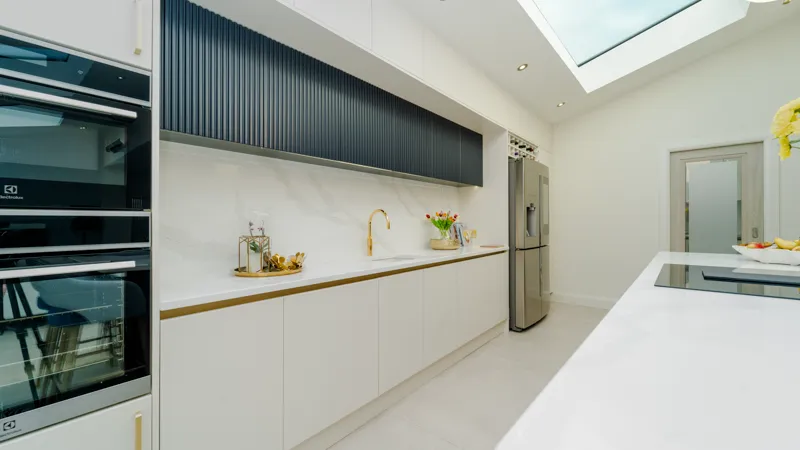
When you get a Quooker, you’re not limited to one design. The range includes the Nordic for a minimalist Scandinavian look, the Flex with its pull out hose, and the Fusion which combines all functions in one tap.
Finishes range from polished chrome and brushed steel to black and gold options. The key is matching your choice to other fixtures in your kitchen, like your sink and cabinet hardware, for a cohesive look.
Whether you prefer something that blends in quietly or a statement piece that becomes a talking point, there’s a Quooker tap design to suit. The functionality remains the same across the range, so it really comes down to which style appeals to you and fits your kitchen best.
Common Quooker Questions
How long does a Quooker take to heat up?
On first installation the tank takes around 20 minutes to reach temperature. After that the water is kept at the ready, so boiling water is instant. Each time you draw water the tank refills and reheats what was used, so unless you empty more than a full tank in one go, you will not be left waiting.
How much does a Quooker cost to run?
The insulated tank keeps standby consumption low, roughly comparable to leaving a small LED bulb on. The main energy use happens when the tank reheats after you draw boiling water, so your actual cost depends on how often you use it and your electricity rate. For most households it works out at just a few cents a day, and it removes the habit of overfilling a kettle.
What problems can Quooker taps develop?
Quookers are reliable, but like any appliance they can develop faults over time. The usual culprits are limescale building up in the tank in hard water areas, worn seals causing a drip, or in rare cases a heating element or thermostat fault. Regular descaling protects the tank, and most other issues are resolved with replacement parts. You can see working models and talk through the options on our Quooker taps page or in the Santry showroom.
Is a Quooker Tap Worth It?
For households that use boiling water frequently throughout the day, a Quooker system makes genuine practical sense. The convenience is undeniable, and over time the energy savings compared to constantly boiling a kettle do add up.
The initial cost is significant, and installation adds to that. But as a long term addition to your kitchen, particularly if you’re already planning a renovation, it’s worth serious consideration. Many people who install one say they couldn’t go back to using a kettle.
If you’re thinking about upgrading your kitchen or simply tired of waiting for the kettle, a Quooker tap might be exactly what you need.
Ready for Your Dream Kitchen?
Bespoke kitchen design and installation in Dublin
Contact Aloco Kitchens Today!